Methanol in Vehicle Fuel & Thermal Applications
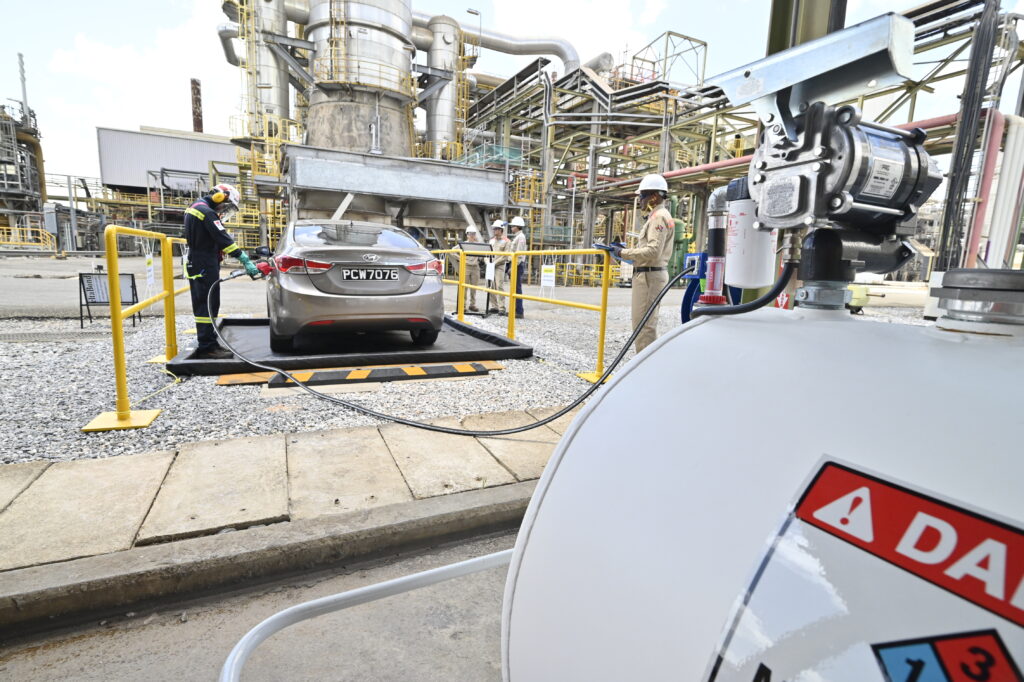
| Methanol is an affordable blend component or even a substitute for gasoline and diesel in countries looking to transition away from fuels that contribute to high levels of air pollution and negatively impact local air quality. Methanol’s efficient combustion, safety, ease of distribution, and wide availability around the world make it an attractive alternative transportation fuel. |
 |
Demand for methanol as a transportation fuel stems from:
| Fuel additives and blends |
Methanol is used to produce methyl tertiary‑butyl ether (MTBE), a gasoline additive that reduces tailpipe emissions, and biodiesel, a renewable diesel substitute. Global demand for methanol used in biodiesel and MTBE is expected to reach approximately 18 million tonnes per year by 2028. |
| Passenger, public transport, and heavy‑duty vehicles |
In China, methanol is already used at scale in transportation. There are more than 20,000 methanol and methanol‑hybrid passenger vehicles, approximately 11,000 heavy‑ and light‑duty trucks, and over 1,000 buses operating on methanol, together consuming about 1.3 million tonnes of methanol per year. |
| Heating and industrial applications |
Methanol is used as a fuel for industrial boilers, kilns, heating furnaces, and cooking stoves, particularly in China. In these thermal applications, methanol produces significantly lower local air pollutant emissions than coal or other fossil fuels, helping improve local air quality. |
To learn more, please visit page 28 of the 2025 Sustainability Report.